


BGaming’s September 24 release, Bonanza Billion Merge Up™+, brings the studio’s proprietary Merge Up™ mechanic into its popular Bonanza Billion series. Built from player feedback, the game mixes the recognisable fruit symbols and pays anywhere system with a new approach to merging, where winning clusters collapse into a random symbol already on the grid. We spoke with Alex Baliukonis, Game Producer at BGaming, about the player insights that shaped the mechanic, balancing the cascading rhythm against the math model, and what’s next for the studio.
 Gamingslots: Bonanza Billion Merge Up™+ brings together two distinct pillars: the recognisable fruit framework of the Bonanza Billion line and your proprietary Merge Up™ engine. What was the driving concept behind colliding these two worlds into a single title?
Alex Baliukonis: The idea of Bonanza Billion Merge Up™+ started with a simple product hypothesis. Players come to Bonanza Billion for its recognisable look and stay for the math. Bonanza Billion already has a clear pays-anywhere system, familiar fruit symbols, and elements inspired by mobile match-3 games. Merge Up™ is one of BGaming’s key proprietary mechanics, which we’ve been developing and adapting to different payout systems.
So we wanted to see how Merge Up™ would work with pays anywhere, where players don’t need to follow paylines or win paths. We also didn’t want to change everything at once. Instead, we took two things that were already tested and combined them in a new way. That gave us something fresh while keeping the product risk more manageable.
It also helped us move faster. We reused the Bonanza Billion visual base and focused most of the work on adapting the mechanics and math. The whole game took around four months to develop, which is much faster than some of our other Entertainment games.
GS: This release was built directly from player feedback. What specific input or demands from your audience prompted BGaming to overhaul the core engine for this instalment?
AB: We looked at streams and noticed that a lot of players, especially new ones, weren’t following the step-by-step symbol progression in the original Merge Up™.
Instead, they were looking at what was already on the screen and waiting for more of the symbol they had several of. For example, streamers would spot a few matching symbols and ask the game to give them more of the same so they could keep the combination going.
After a win, the symbols that disappear merge into one symbol that’s already on the grid. The result is random, but not completely random
So we decided to remove the rule that you always have to move from a lower-value symbol to a higher-value one. The new version is closer to how players naturally look at the game. They see what’s on the screen, spot a combination they like, and hope the next merge will make it stronger.
During internal testing, we saw that some experienced players were already used to the old progression. But the new one was designed more for a wider audience, including players who had never played the previous Merge Up™ games. So the change wasn’t about making the mechanic more complicated. It came from watching how people read the board and reacted to what was happening on screen.
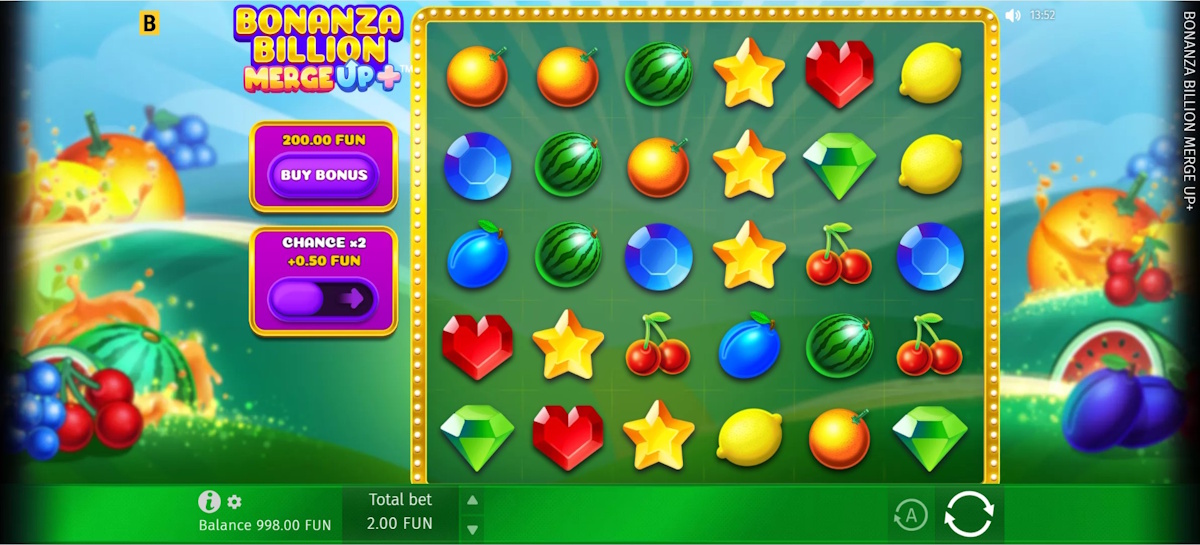
GS: Winning clusters of four or more merge into a random symbol already present on the grid rather than following a predictable upgrade path. What kind of player anticipation were you aiming to build by making that post-win symbol generation completely random?
AB: After a win, the symbols that disappear merge into one symbol that’s already on the grid. The result is random, but not completely random: different symbols have different weights, so the more often a symbol appears on the screen, the higher the chance it will be selected.
This matches a very natural player thought: “There are already a lot of these symbols, give me one more.” So every merge still has some uncertainty, but the board gives players a clear visual hint about what might come next.
If the right symbol appears, it can complete or extend another combination and keep the chain going. If it’s a different one, the result is still unpredictable, and the player immediately starts looking at the new board and reassessing their options. So players no longer need to remember a fixed progression of symbols. They can simply look at what’s on the screen and think about what could happen next.
In Bonanza Billion Merge Up™+, in free spins, a multiplier can appear after a tumble or come directly from a merge.
GS: Because the merge system is built to generate rapid chain reactions, the base game rhythm shifts considerably. How did your team balance this aggressive cascading cycle against the very high volatility math model?
AB: We wanted to keep the familiar payout profile of the original Bonanza Billion, even after adding Merge Up™+. So we gave our math team the original game’s win distribution as a reference for both the base and bonus parts. Merge Up™+ changes how the win sequences are created, but it shouldn’t completely change the financial rhythm that Bonanza Billion players are used to.
The scatter frequency, retriggers, multipliers, and possible chains all work together within the same math model.
The key was to separate how often something happens on screen from how much it pays. There can be several merges and visual events in a row, but that doesn’t mean a big win is guaranteed. A merge can create a chance to continue the chain, but it may also stop there.
This keeps the gameplay busy and engaging while larger wins stay relatively rare, which is important for very high volatility. The biggest win is 15,000x, and keeping the proven win distribution helped us control the overall math model, resulting in a 97.04% RTP.
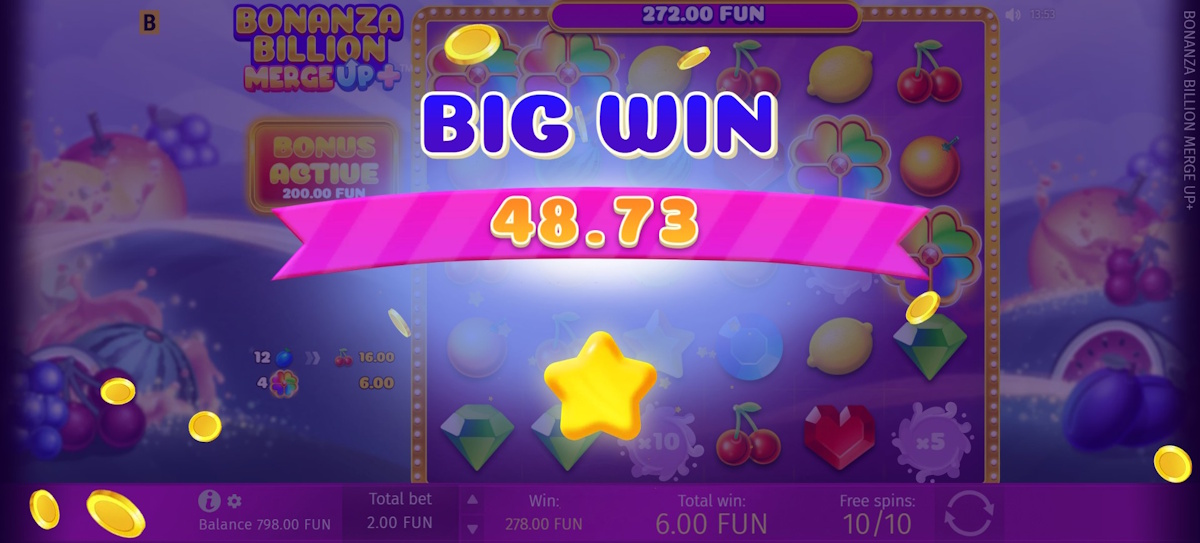
GS: In the free spins round, multipliers up to 100x can drop from tumbles or generate directly out of merges, adding together at the end of the spin. How does having two distinct ways to trigger multipliers ramp up the anticipation for players on every cascade?
AB: In Bonanza Billion Merge Up™+, in free spins, a multiplier can appear after a tumble or come directly from a merge. So every cascade has two things that can happen: you can get another winning combination, and you can also add a multiplier to the final win.
That means the action doesn’t stop after a win. The next tumble or merge can still change the value of the spin. A merge can create a new symbol, but it can also give you a multiplier of up to 100x. Since all the multipliers are added together at the end of the spin, each new one adds to what you’ve already collected.
The longer the cascade lasts, the more chances there are to build up the total multiplier. Having these two ways to get multipliers keeps that anticipation going throughout the whole sequence, rather than only when the free spins start.
After Bonanza Billion Merge Up™+, there’s still a lot coming for the rest of the year across all three BGaming Game Worlds.
GS: With the organic free spins hit rate sitting at 1 in 386 spins and a maximum win potential of 15,000x, landing retriggers can rapidly compound payouts. How did you calibrate the frequency of extra spins to keep the math model balanced?
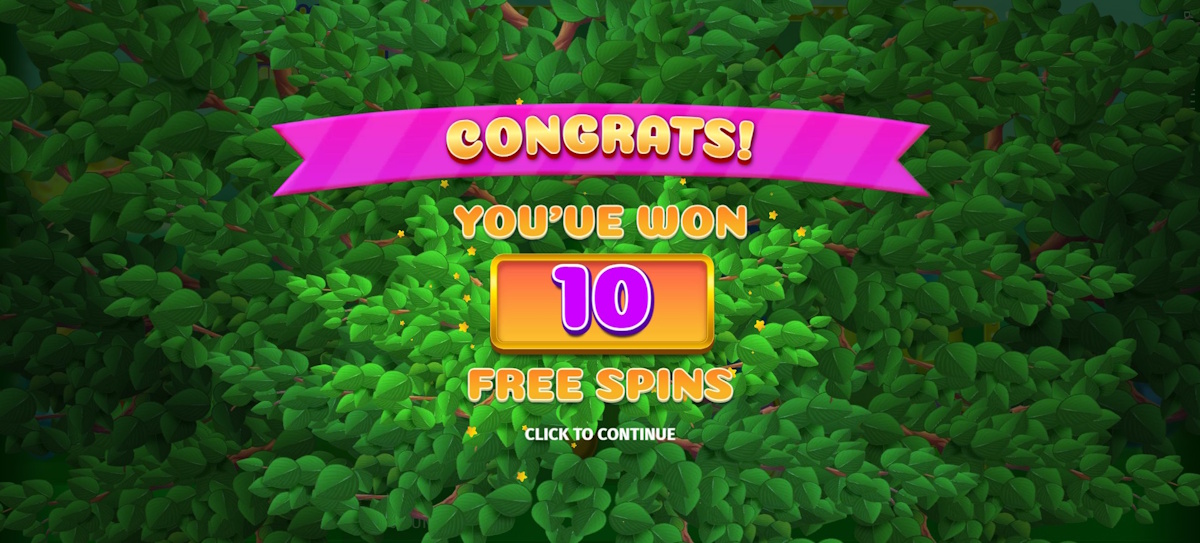
AB: A big part of the balance comes down to how often players get into free spins and how long they can stay there. The organic hit rate is around 1 in 386.23 spins. Four scatters give 10 free spins, five give 20, and six give 30. Once you’re in the bonus, three scatters can retrigger it and add five more spins.
The five-spin retrigger was a way to let a good bonus run a little longer without making each retrigger extend it too much. The scatter frequency, retriggers, multipliers, and possible chains all work together within the same math model. They’re balanced around the 97.04% RTP, very high volatility, and 15,000x maximum win.
The initial free spins hit is rare, which keeps the bonus valuable, while the extra five spins give a strong sequence more room to develop without changing the overall payout distribution too much. There are also chance x2 and buy bonus options for players who want to reach free spins faster, but these don’t change the underlying math of the bonus round.
GS: Bonanza Billion Merge Up™+ released on September 24th, just days ahead of the SBC Summit kicking off on September 29th. Heading into Lisbon and the final stretch of the year, what can the industry expect from BGaming’s slot roadmap?
AB: After Bonanza Billion Merge Up™+, there’s still a lot coming for the rest of the year across all three BGaming Game Worlds.
For Halloween, we’re preparing a set of releases across the three worlds: Spider Circus for Classic, Witchcraft Riches for Entertainment, and Aviamasters™ 2 Halloween and Chicken Halloween for Casual. It provides operators with seasonal content for different types of players, from classic slot fans to those who prefer simpler, more dynamic games.
Our main Entertainment release for October is Divine Queen: Power of Sun. It’s set in a futuristic version of Ancient Egypt, with a reactive heroine who responds to what happens on the reels. Refilling, cell multipliers up to 128x, and booster modes can create longer winning sequences, making the game a good fit for streamers.
So after SBC Summit, the focus is on Halloween content alongside bigger Entertainment releases to keep the pipeline moving through the final part of the year.
Bonanza Billion Merge Up™+ released on 24th September, 2026 and is available to play on select casinos.
Read more about Bonanza Billion Merge Up™+ slot, learn about the game, the mechanics, and our verdict on this new title.


